
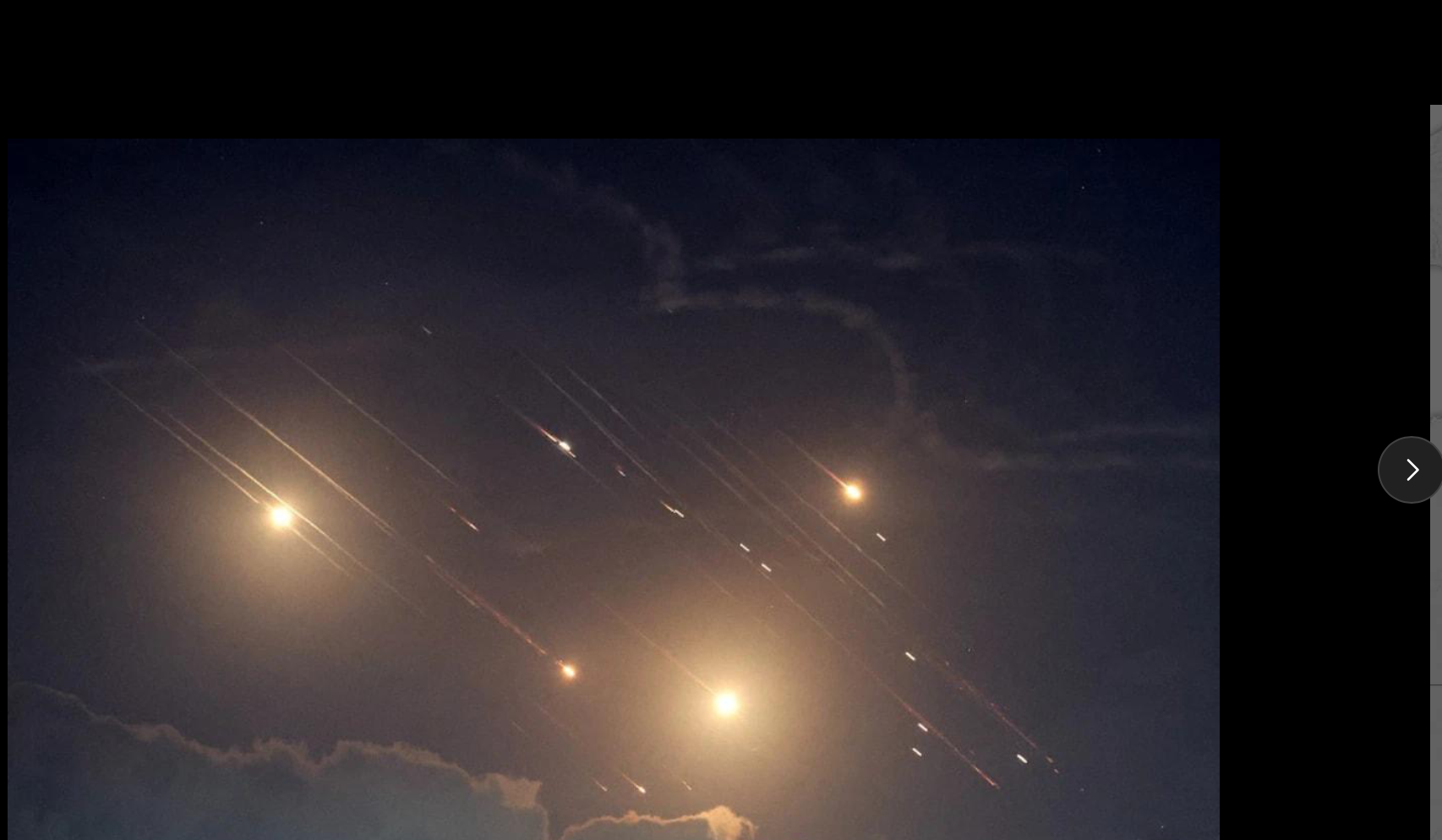
The ongoing tension between Iran and Israel is one of the most serious geopolitical conflicts in the modern world. At the center of this rivalry lies a highly sensitive issue: nuclear ability. While both countries are deeply involved in nuclear-related activities, their situations are very different. One is believed to have nuclear weapons, while the other is accused of trying to develop them.
Does Iran Have Nuclear Weapons?
As of now, Iran does not officially have nuclear weapons. The country insists that its nuclear program is for peaceful purposes like energy production and scientific research. But, many global powers—including the United States and Israel—stay skeptical.
Iran has been enriching uranium up to 60% purity. This level is very close to the 90% needed for nuclear weapons. According to recent reports, Iran possesses around 400–440 kg of enriched uranium. This amount can be enough to produce several nuclear bombs if further enriched.
Where Does Iran Store Its Nuclear Material?
Iran’s nuclear materials are believed to be stored in heavily protected and often underground facilities. Some of the key locations include:
- Natanz – One of Iran’s main uranium enrichment sites
- Fordo – A deeply buried facility inside a mountain
- Isfahan – A major nuclear research and storage center
Reports suggest that some enriched uranium is kept in underground tunnels at Isfahan. This makes it harder to detect or destroy. These locations are heavily fortified and designed to withstand airstrikes.
Additionally, Iran has developed extensive underground networks to protect its military infrastructure. These networks also safeguard its nuclear infrastructure. Sometimes, they extend hundreds of meters below the surface .
Does Israel Have Nuclear Weapons?
Unlike Iran, Israel has never officially confirmed or denied having nuclear weapons. This policy is called “nuclear ambiguity.” Yet, experts widely believe that Israel does own nuclear weapons.
Estimates suggest Israel has between 90 and 400 nuclear warheads . This makes it one of the few countries in the world with a significant nuclear arsenal.
Where Are Israel’s Nuclear Weapons Kept?
Israel keeps its nuclear program extremely secret, but experts believe the main facilities include:
- Dimona Nuclear Facility (Negev Desert) – The core of Israel’s nuclear program
- Underground storage bunkers across the country
- Missile bases and air force bases
- Submarines (for second-strike ability)
Israel is believed to have a nuclear triad, meaning it can launch nuclear weapons from:
- Land (ballistic missiles like Jericho series)
- Air (fighter jets)
- Sea (submarines carrying nuclear missiles)
This makes Israel’s nuclear deterrence very strong and difficult to counter.
Key Differences Between Iran and Israel
| Factor | Iran | Israel |
|---|---|---|
| Nuclear weapons | No confirmed weapons | Believed to have 90–400 |
| Nuclear policy | Claims peaceful use | Strategic ambiguity |
| Uranium enrichment | Up to 60% | Not publicly disclosed |
| Storage | Underground facilities (Natanz, Fordo, Isfahan) | Secret bunkers, submarines, Dimona |
| Global status | Under heavy monitoring | Not part of Nuclear Non-Proliferation Treaty |
Why This Matters
The nuclear issue between Iran and Israel is not just a regional concern—it affects global security. If Iran develops nuclear weapons, it will trigger a nuclear arms race in the Middle East. Countries like Saudi Arabia and Turkey also seek nuclear capabilities.
Israel, on the other hand, sees Iran’s nuclear program as a direct threat to its existence. This is why Israel has reportedly carried out multiple strikes on Iranian nuclear and missile sites in recent years.
Recent developments show increasing tensions, with attacks on nuclear-related infrastructure and fears that the situation will escalate further .
Conclusion
In simple terms, Israel is widely believed to already have nuclear weapons. Iran is very close to having the ability but has not officially built one yet. Both countries keep secrecy around their programs, especially about the exact locations and quantities of nuclear materials.
The situation remains highly volatile. Any miscalculation will lead to serious global consequences. The international community continues to watch both nations closely. They hope to prevent the spread of nuclear weapons. They also aim to keep stability in the region.
📝 Editor’s Note
This article is based on publicly available information. It also uses expert estimates and reports from international organizations. These include the International Atomic Energy Agency (IAEA). Nuclear programs are highly secretive. This is especially true in countries like Israel and Iran. Hence, exact numbers, locations, and capabilities are not fully confirmed.
Israel follows a policy of “nuclear ambiguity,” meaning it neither confirms nor denies possessing nuclear weapons. Iran, on the other hand, insists that its nuclear program is for peaceful purposes. Nonetheless, concerns persist due to its uranium enrichment levels. Additionally, activities at sites like Natanz Nuclear Facility and Fordo Fuel Enrichment Plant raise issues.
Readers are encouraged to view this topic with critical thinking, as geopolitical narratives can vary depending on sources and perspectives. The situation continues to evolve, and new developments change current assessments.
🔗 Sources & Further Reading
Here are some reliable links you can include in your blog:
- IAEA official site (reports on Iran’s nuclear program):
https://www.iaea.org - BBC overview on Iran nuclear issue:
https://www.bbc.com/news/world-middle-east-14542438 - Reuters coverage on Israel’s nuclear ability:
https://www.reuters.com/world/middle-east - Arms Control Association (detailed analysis):
https://www.armscontrol.org/factsheets/Israel-Nuclear - Nuclear Threat Initiative profiles:
Iran: https://www.nti.org/countries/iran/
Israel: https://www.nti.org/countries/israel/ - Wikipedia summaries (good for quick reference):
Iran nuclear program: https://en.wikipedia.org/wiki/Nuclear_program_of_Iran
Israel nuclear weapons: https://en.wikipedia.org/wiki/Israel_and_nuclear_weapons
Iran is a key